Count your sources, not your TVs
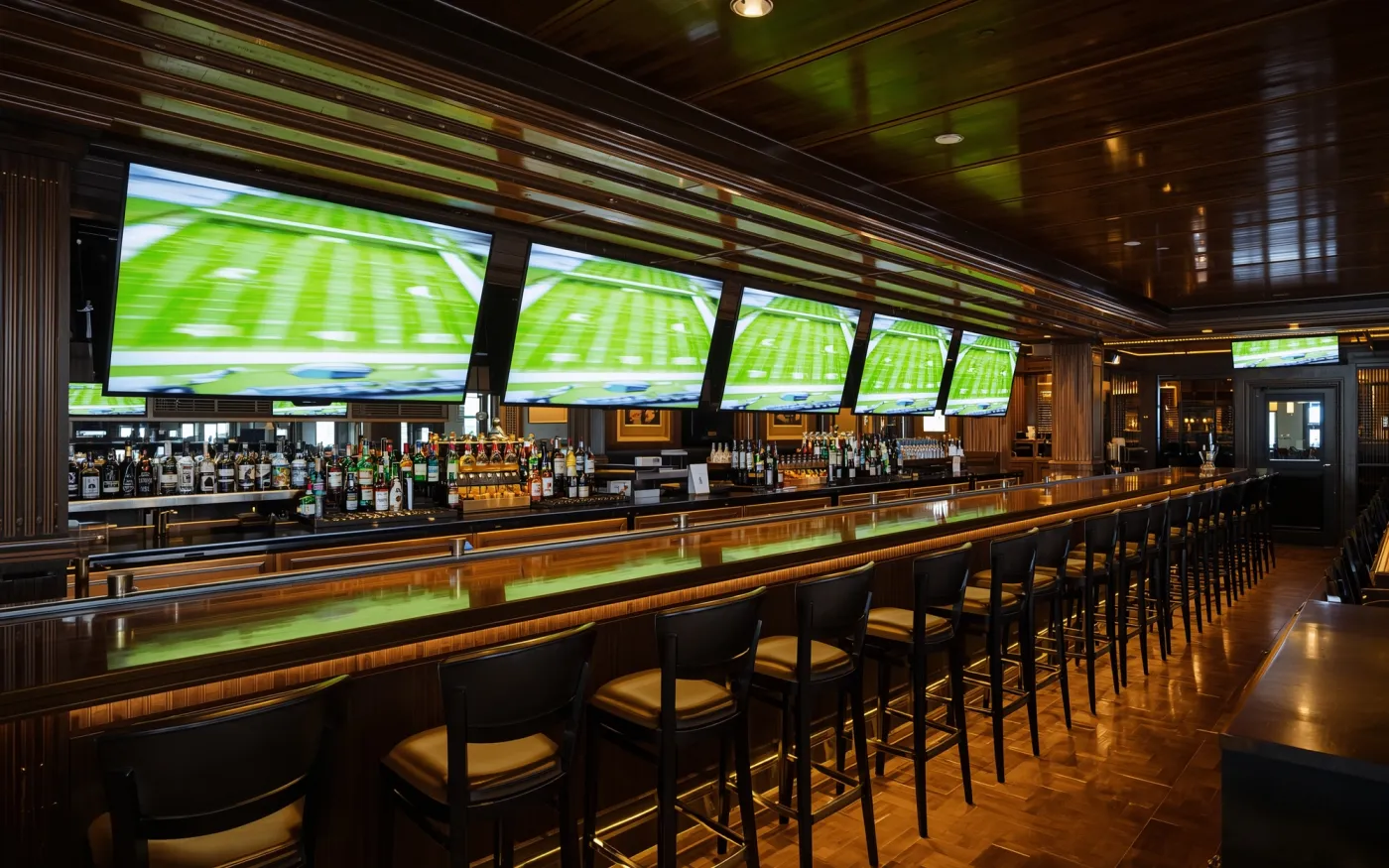
The number of TVs sets the size of the system. The number of sources sets how many different games you can show at once. A source is anything that plays a channel, such as a cable or satellite receiver or a streaming box.
A bar with 20 TVs and 6 receivers can show 6 different games, each on as many screens as you like. If you want more games on a big Saturday, you add receivers, not screens.
Matrix switcher or AV over IP?
Both send any source to any TV. They differ in how the video travels and how easily the system grows.
| Matrix switcher | AV over IP | |
|---|---|---|
| How it works | One box with a fixed number of inputs and outputs. Video runs to each TV over its own Cat6 line. | An encoder on each source and a decoder at each TV, connected through a network switch. |
| Common fit | A set number of TVs that won't change much, often 16 or fewer. | Large rooms, several rooms or plans to add screens, often 40 or more. |
| Adding a TV | Uses a spare output. When outputs run out, you need a bigger box. | Add a decoder and a network connection. |
| Watch for | Cable length limits on long runs. | A network set up for video, kept apart from POS and guest WiFi. |
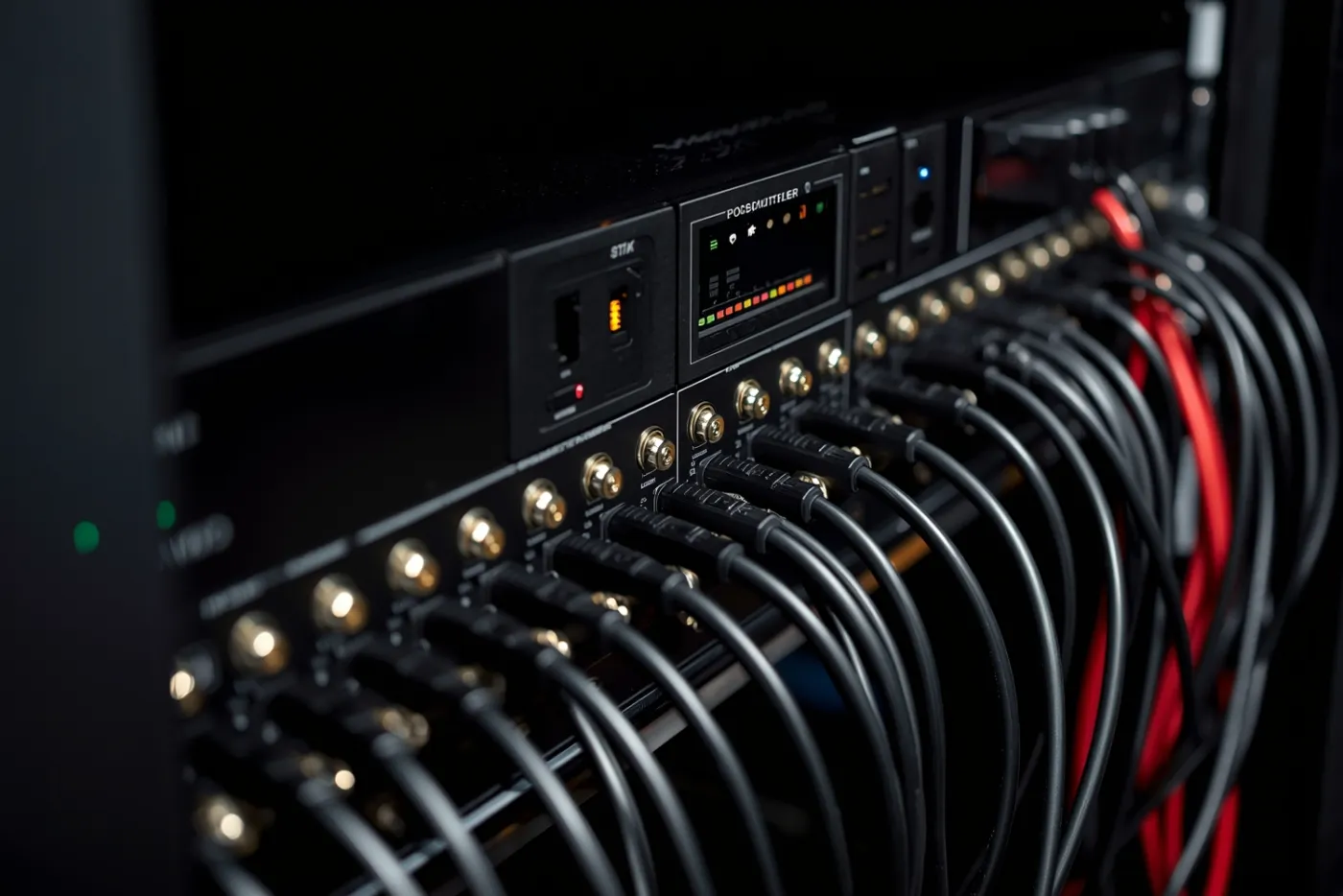
Those TV counts are a rule of thumb. Between them, either can work, and the deciding questions are how far the cable has to run and whether you expect to add screens. Either way, it depends on clean cabling behind the wall.
Plan the sound separately
Only one game can be the loud one in a given room. Most bars pick a main game, leave the rest on captions and play music in the dining room or on the patio.
Zoned audio lets each area run its own source and volume. Decide this before the cable goes in, because zones affect where the speakers and amplifiers go. Our restaurant and bar AV systems page walks through it room by room.
Make it easy for staff
A tablet or wall panel can label every TV and every source, so a server can put the game on TV 7 without a stack of remotes. Some processors can also show up to four channels on one TV, which helps on the main screen.
Check your TV provider early
Home TV and streaming subscriptions generally don't cover showing games to customers. Your provider has to set you up with a commercial account, and that account decides how many receivers you get and what they cost.
Get that number before you size the system. It's the one figure we can't work out for you.
Patio TVs in Phoenix
Patio screens can run on the same system as your indoor TVs. Phoenix sun and heat are hard on indoor sets, so use displays rated for outdoor use and protect the cable path from the rack to the patio. If you're in Old Town, we cover that on our Scottsdale page.
What it costs
We don't publish a flat price, because the job depends on your TV count, sources, cable distance and what's already in the walls. Tell us about the room and we'll give you a quote.